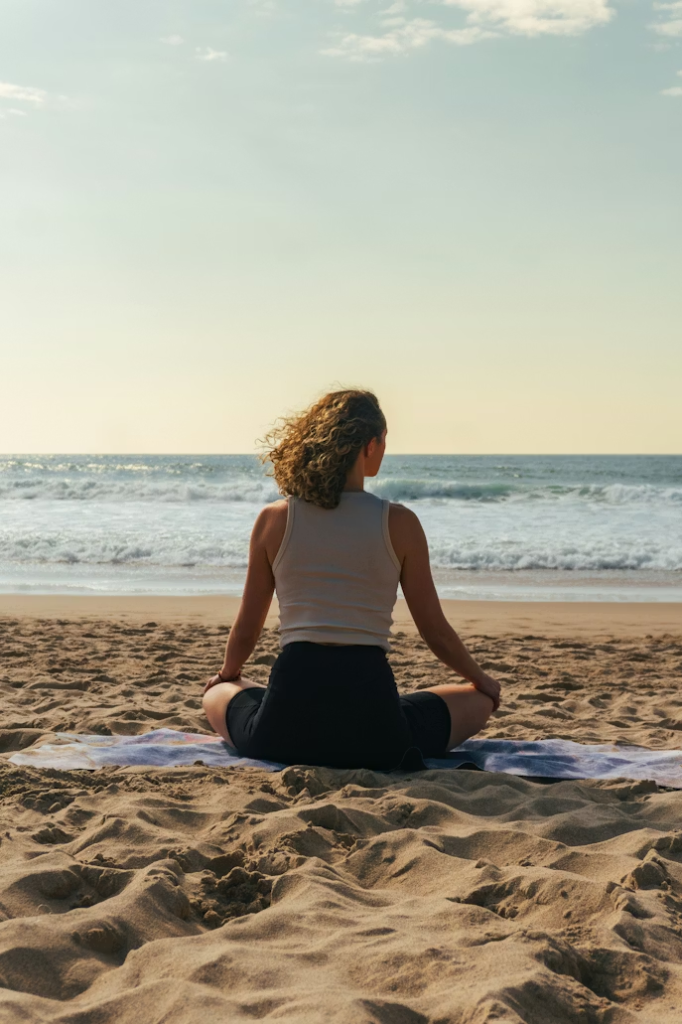
In a World That Never Stops, Stillness Becomes a Strength
Modern life rarely slows down. Notifications, responsibilities, and constant distractions make it difficult to find even a moment of quiet. Many people feel mentally exhausted without fully understanding why. In this environment, learning to pause is no longer a luxury—it is a necessity.
This is where meditation becomes powerful. While often seen as simple or even passive, meditation offers something surprisingly effective: the ability to regain control over your attention and emotions. The Benefits of Meditation are not always immediate, but over time, they can quietly transform how you think, feel, and respond to the world around you.
Understanding The Benefits of Meditation
At its core, meditation is the practice of focusing your awareness. This might involve paying attention to your breath, observing your thoughts, or simply sitting in silence. The goal is not to eliminate thinking, but to change your relationship with it.
Many people who begin meditating notice subtle shifts at first. They may feel slightly calmer or more aware of their thoughts. Over time, these small changes build into something much deeper.
Some of the most recognized Benefits of Meditation include:
- A calmer and more stable mind
- Improved focus and concentration
- Greater emotional awareness
- Reduced stress and anxiety
- A stronger sense of inner balance
These changes do not come from forcing the mind to be quiet, but from learning to observe it without reacting.
How Meditation Changes the Way You Think
One of the most interesting aspects of meditation is how it affects the mind itself. Instead of being carried away by every thought, you begin to notice them as they arise.
This creates a small but important gap between stimulus and reaction.
For example, instead of reacting immediately to stress or frustration, you may find yourself pausing. That pause allows you to respond more thoughtfully rather than emotionally.
This shift is one of the deeper Benefits of Meditation, and it can influence many areas of life, including relationships, work, and decision-making.
The Physical Side of Stillness
Although meditation is often associated with mental clarity, its effects are not limited to the mind. The body also responds to stillness.
Many people report physical improvements such as:
- Slower heart rate
- More relaxed breathing
- Better sleep quality
- Reduced muscle tension
These changes are linked to the body’s ability to move out of a constant “stress mode” and into a more relaxed state.
While meditation is not a medical treatment, these physical responses help explain why it is often recommended as part of a balanced lifestyle.
Simple Ways to Start Practicing Meditation
One of the most appealing things about meditation is how accessible it is. You do not need special tools, training, or a perfect environment.
A simple way to begin:
Find a quiet place
Sit comfortably
Close your eyes or soften your gaze
Focus on your breathing
Stay for 5 to 10 minutes
Your mind will wander—that is completely normal. Each time you notice it, gently bring your attention back. This process is the practice.
With consistency, even short sessions can lead to noticeable Benefits of Meditation over time.
Why Meditation Feels Difficult at First
Many beginners feel discouraged when they try meditation. They often believe they are doing it wrong because they cannot “clear their mind.”
In reality, meditation is not about stopping thoughts. It is about noticing them without getting lost in them.
Common challenges include:
- Feeling restless
- Losing focus quickly
- Expecting fast results
- Becoming frustrated
These experiences are part of the process. As you continue practicing, the mind gradually becomes more familiar with stillness.
Understanding this helps you stay consistent and allows the Benefits of Meditation to develop naturally.
Finding Balance in a Distracted World
We live in a time where attention is constantly pulled in different directions. It is easy to feel overwhelmed, distracted, or mentally drained.
Meditation offers a way to return to yourself.
It creates a space where you are not reacting, not consuming, and not rushing—just being present. This alone can feel unfamiliar at first, but over time, it becomes a source of stability.
This is why more people are turning to meditation, not as an escape, but as a tool for living more intentionally.
Conclusion
The value of meditation is not found in dramatic changes, but in quiet, consistent shifts. It teaches you how to slow down, observe, and respond with greater awareness.
The true Benefits of Meditation often appear gradually—through clearer thinking, calmer emotions, and a stronger sense of balance.
In a world that rarely stops moving, the ability to be still becomes a powerful skill. And within that stillness, many people discover something they did not realize they were missing: a sense of inner calm that was there all along.